

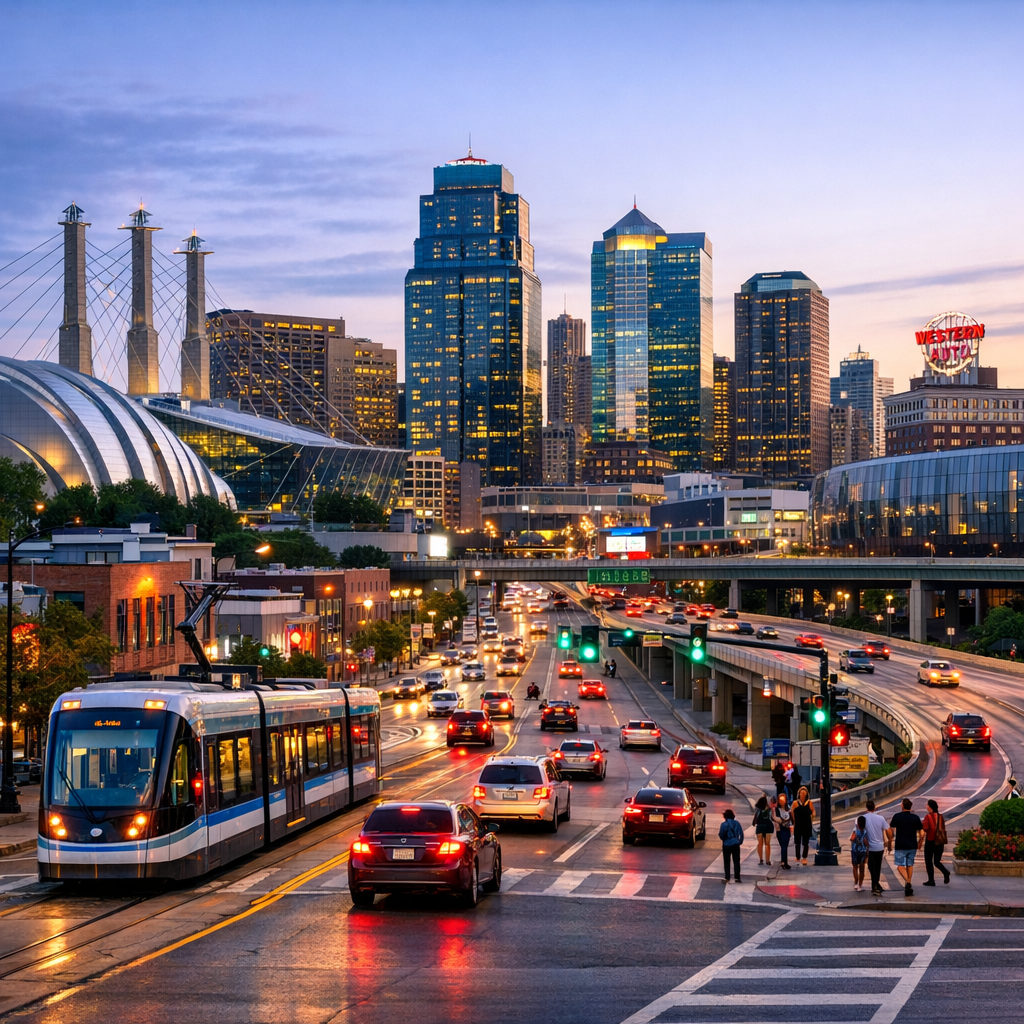
Kansas City is undergoing a remarkable economic transformation, marked by substantial population growth, a thriving tech industry, and a supportive environment for entrepreneurs.
Population Growth Fuels Economic Expansion
Recent data from the U.S. Census Bureau indicates that Kansas City, Missouri, has seen a population increase of over 13,000 residents since 2020, reaching an estimated 521,220 people by July 2025. This 2.58% growth reflects the city’s appeal and its potential for economic development. Mayor Quinton Lucas attributes this growth to the community’s investment in creating a safer, dynamic, and affordable city that welcomes all.
Tech Industry: A Catalyst for Job Creation
The tech sector has emerged as a significant driver of Kansas City’s economy. The KC Tech Council’s latest report reveals a 10.3% increase in tech job postings across Kansas and Missouri between 2023 and 2025, with the region now employing over 225,000 tech professionals. This growth underscores Kansas City’s position as a burgeoning tech hub, contributing $12.4 billion to the combined $35.5 billion economic impact of the two states.
Entrepreneurial Ecosystem: Nurturing Innovation
Kansas City offers a robust support system for entrepreneurs. Initiatives like LaunchKC provide annual grants totaling over $500,000 to pre-seed and seed-stage companies, fostering innovation and job creation. Additionally, the Small Business Capital Access Program, in partnership with KC BizCare, offers capital-readiness support and startup funding for small businesses.
Moreover, the Community Capital Fund’s Rooted Change Fund supports grassroots organizations aiming to enhance economic mobility in historically underserved areas, with grants of up to $100,000 available for qualifying projects.
Infrastructure Developments: Enhancing Connectivity
Infrastructure improvements further bolster Kansas City’s economic landscape. The Kansas City International Airport (MCI) has significantly contributed to the region’s economy, generating over $6 billion in total economic output and supporting nearly 40,000 jobs.
Additionally, the KC Streetcar Main Street Extension, launched in October 2025, extends the streetcar line nearly six miles, adding 15 new stops and connecting neighborhoods from the River Market to the University of Missouri-Kansas City. This $352 million project is expected to boost economic development, with over 1,400 new apartments planned or built and strong support from local businesses.
Conclusion
Kansas City’s economic renaissance is characterized by a growing population, a dynamic tech industry, and a supportive entrepreneurial ecosystem. These factors, combined with strategic infrastructure developments, position the city as a vibrant hub for business and innovation.