

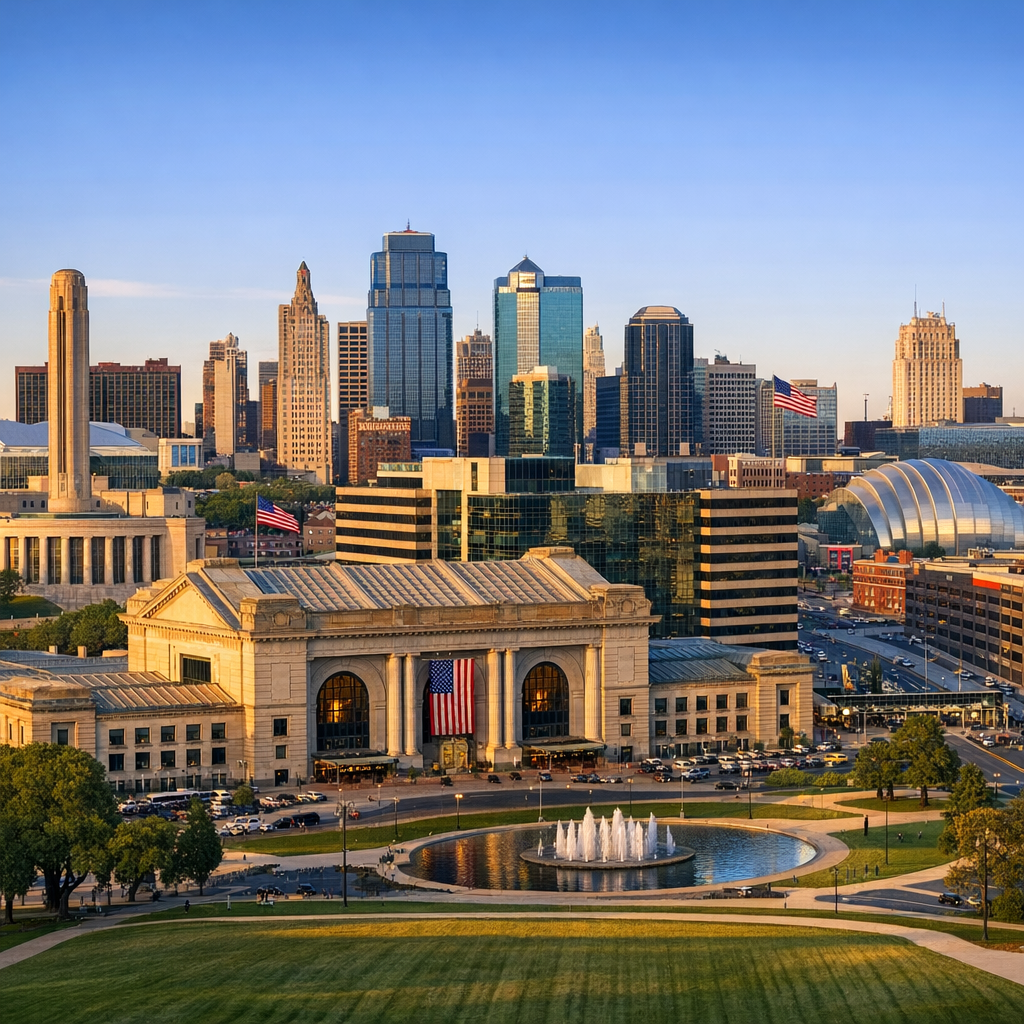
As national policies evolve, their ripple effects are profoundly felt in cities like Kansas City. From economic shifts to infrastructural developments, understanding these impacts is crucial for our community’s resilience and growth.
Economic Transformations
Recent federal workforce reductions have led to the elimination of approximately 2,800 federal positions in Kansas City, affecting agencies such as the Internal Revenue Service. This downsizing not only impacts the livelihoods of many residents but also influences the efficiency of federal services in our region.
Conversely, the expansion of the Kansas City National Security Campus (KCNSC) brings a surge in employment opportunities. The facility’s growth, part of a broader initiative to modernize the nation’s nuclear arsenal, has increased its workforce from 2,500 in 2013 to nearly 7,000 employees. While this expansion bolsters the local economy, it also raises discussions about the environmental and safety implications associated with nuclear modernization efforts.
Infrastructure and Development
The unveiling of the new terminal at Kansas City International Airport (KCI) in 2023 has significantly boosted the region’s economy. In 2024, KCI generated over $6 billion in economic output, supporting nearly 40,000 jobs and contributing $276 million in state and local tax revenue. This development underscores the airport’s pivotal role as an economic engine for the area.
Community and Social Dynamics
National immigration policies have local repercussions, with Missouri projected to contribute $3.6 billion toward deportation and detention efforts. Critics argue that these funds could be redirected to essential public services like healthcare and housing, highlighting the ongoing debate over resource allocation.
Additionally, the child care crisis continues to challenge families in Kansas City. Nearly half of American families with young children live in child care deserts, prompting Missouri and Kansas to seek solutions. Missouri has introduced tax credit incentives to increase child care supply, while Kansas has established an Office of Early Childhood and eased licensing regulations to stimulate growth in the sector.
Looking Ahead
As Kansas City prepares to host the FIFA World Cup, security measures are being bolstered with the activation of 110 National Guard service members and collaboration with federal agencies. This event presents an opportunity to showcase our city’s vibrancy on the global stage, while also necessitating careful planning to ensure safety and infrastructure readiness.
In navigating these national policies and their local impacts, Kansas City stands at a crossroads. By staying informed and engaged, our community can adapt to these changes, leveraging opportunities for growth while addressing challenges head-on.