

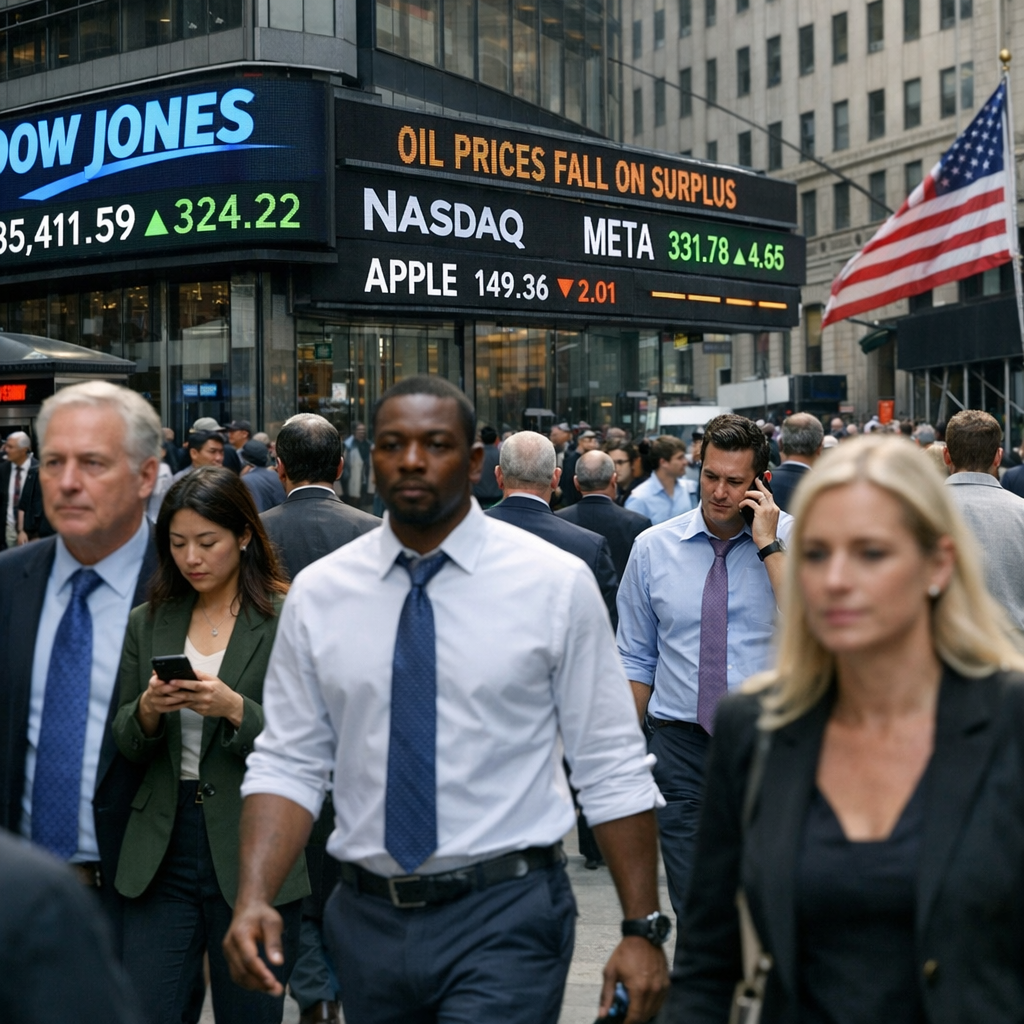
The U.S. economy is a complex and dynamic system, influenced by various factors including consumer behavior, business investments, government policies, and global events. Understanding its current state requires examining key economic indicators and recent trends.
Gross Domestic Product (GDP)
Gross Domestic Product (GDP) measures the total value of goods and services produced within a country. In the first quarter of 2026, the U.S. economy grew at an annualized rate of 2%, rebounding from a sluggish 0.5% growth in the previous quarter. This growth was driven by increased federal spending and robust investments in artificial intelligence sectors. However, the conflict in Iran has introduced uncertainties, particularly affecting energy prices and inflation. Source
Employment and Unemployment
The labor market remains resilient. In April 2026, the economy added 115,000 jobs, surpassing expectations. The unemployment rate held steady at 4.3%. The health care sector led job creation, adding 37,000 new positions. This stability persists despite global challenges, including energy shocks from international conflicts and ongoing AI-driven layoffs. Source
Inflation and Consumer Spending
Inflation has been a concern, with a notable surge in March 2026 attributed to rising energy prices due to geopolitical tensions. Consumer spending slowed to a 1.6% increase in the first quarter, reflecting financial pressures on households. Despite this, business investments, particularly in AI technologies, have shown significant growth, indicating confidence in future economic prospects. Source
Conclusion
While the U.S. economy demonstrates resilience through steady job growth and strategic investments, challenges such as inflation and global uncertainties persist. Staying informed about these indicators is crucial for understanding the broader economic landscape.