

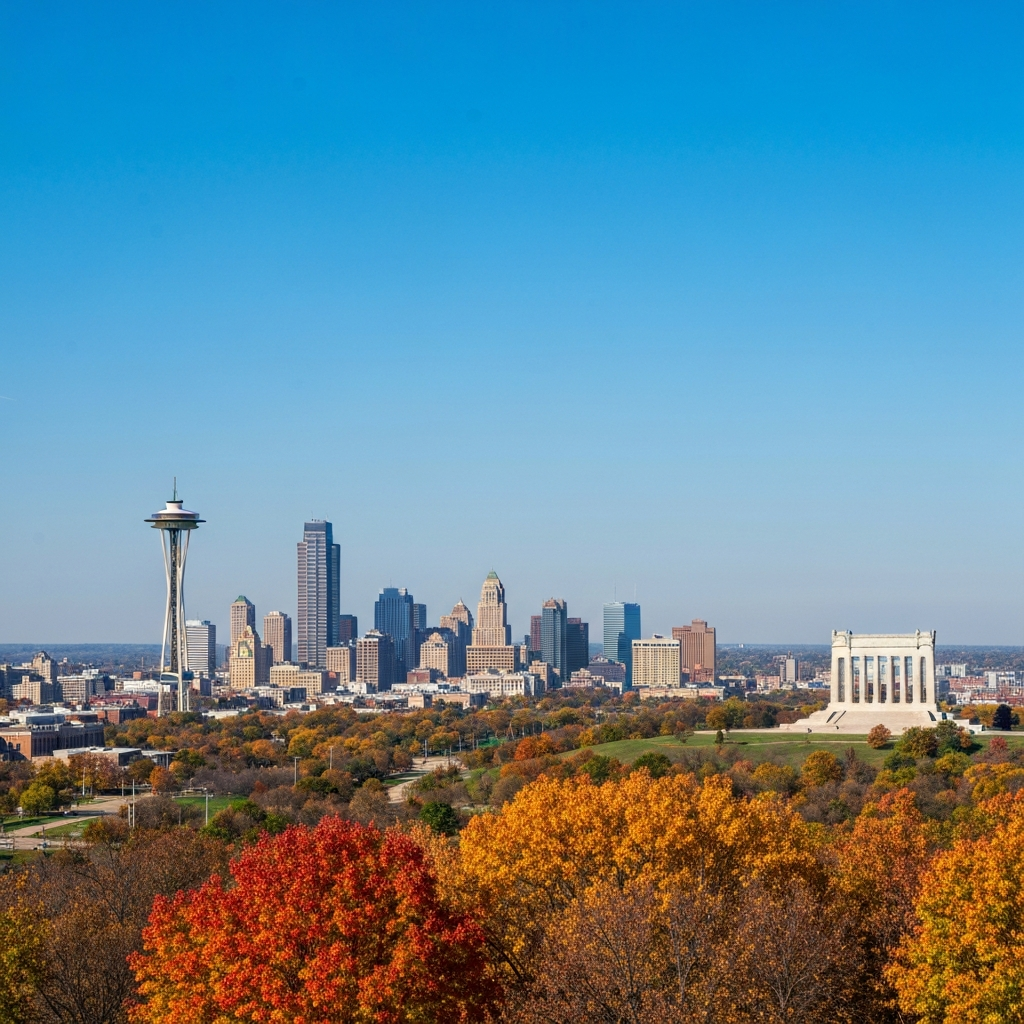
Kansas City, Missouri, experiences a diverse climate characterized by four distinct seasons, each bringing its own set of weather patterns and environmental considerations.
Spring: A Season of Renewal
Spring in Kansas City is marked by gradually warming temperatures and increased precipitation. Average high temperatures rise from 55.3°F (13°C) in March to 75°F (24°C) in May. This period also sees a significant increase in rainfall, with May averaging 5.48 inches (139 mm) of precipitation. The combination of warmth and moisture fosters the blooming of flora and the greening of the city’s numerous parks and gardens.
Summer: Heat and Humidity
Summers are typically hot and humid, with average high temperatures peaking at 88.8°F (31°C) in July. The city experiences approximately 47 days annually with temperatures exceeding 90°F (32°C). Humidity levels can be high, leading to muggy conditions. Thunderstorms are common during this season, occasionally bringing heavy rainfall and severe weather events.
Autumn: Mild and Colorful
Autumn brings a gradual cooling, with average high temperatures decreasing from 79.9°F (27°C) in September to 54.2°F (12°C) in November. This season is often marked by clear skies and vibrant fall foliage, making it a favorite time for outdoor activities. Rainfall decreases compared to the summer months, providing a pleasant climate for residents and visitors alike.
Winter: Cold and Snowy
Winters in Kansas City are cold, with average low temperatures dropping to 24.8°F (-4°C) in December. The city averages 15 inches (38 cm) of snowfall annually, with January typically being the coldest month. Residents should be prepared for occasional snowstorms and icy conditions, which can impact travel and daily activities.
Environmental Considerations
Kansas City’s climate variability poses challenges and opportunities for environmental management. The city has been proactive in addressing these issues. For instance, in December 2025, the U.S. Environmental Protection Agency awarded Kansas City a $5 million grant to enhance recycling infrastructure and waste management systems. This funding aims to improve the city’s composting and food-rescue initiatives, promoting environmental stewardship within the community.
Understanding the city’s climate patterns is essential for residents to prepare for seasonal changes and participate in sustainability efforts. By staying informed and engaged, the community can navigate the challenges posed by Kansas City’s diverse climate.